Surf Etiquette with Foil Drive
Guides
November 7, 2024 Marketing Foil Drive

Surf Etiquette with Foil Drive

Whilst Foil Drive might eliminate the difficulty of getting on foil, it certainly does not eliminate your obligation to follow surf etiquette. If anything, you will need to practice this more so than before. Remember technology advancements are not the problem, how it’s used can cause people to become upset.  

Foil Drive Podcast | Ep 16 | Foil Drive Etiquette with Co-Founder Paul Martin
Guides Podcasts
October 22, 2024 Marketing Foil Drive

Foil Drive Podcast | Ep 16 | Foil Drive Etiquette with Co-Founder Paul Martin

As the popularity of foil driving and foil assist technologies grow, it's essential for users to understand their responsibility and etiquette when sharing the water with others. In a recent podcast discussion, Paul Martin, the inventor of Foil Drive, shared his insights on how foil drivers can navigate this growing trend responsibly. The Role of Responsibility in Foil Drive Paul highlighted a key point: as pioneers of Foil Drive, there's an inherent responsibility to establish the right standards. Whether you’re the first to introduce a new sport or technology, the burden falls on the early adopters to create a respectful and harmonious environment for everyone. Paul emphasised that responsibility doesn’t necessarily mean strict rules, but rather fostering community-driven standards. This involves understanding your position in the water and being considerate of others. Sharing the Ocean: Do Foil Drivers Have Priority? One of the primary concerns addressed in the conversation is how foil drivers should interact with other ocean users. Paul pointed out that while technology may give foil drivers an advantage in terms of catching waves, it doesn't automatically grant them the right to overtake or inconvenience other surfers or swimmers. A sense of self-regulation is vital. Foil drivers should aim to catch waves without disrupting others and recognise that swimmers, like pedestrians at a crosswalk, should always have the right of way. The key takeaway here is that foil drivers must exercise common sense. If you're able to catch waves that others can’t, great. But that doesn’t mean you should dominate the lineup. Striking a balance between maximising your experience and allowing others to enjoy theirs is critical. Addressing Concerns: Noise Pollution and Group Etiquette Another issue raised was the noise generated by Foil Drive motors, particularly when used by less experienced riders. In a quiet beach environment, the sound of multiple Foil Drives can be off-putting, especially if the motors are constantly breaching the surface. Paul explained that this is often a result of users not fully understanding how to operate the motor efficiently. By keeping the pod submerged and using minimal throttle, riders can reduce noise and enjoy a smoother, quieter ride. Group dynamics also come into play, particularly when multiple foil drivers are in the water together. While it's undoubtedly fun to foil with friends, large groups can become a spectacle and may unintentionally disrupt the vibe of the beach or surf spot. The same way that snowboarders might carve down a hill together, foil drivers often want to show off their skills. However, it's essential to remember that this can be intimidating or annoying to other water users. Paul recommends spacing out and choosing less crowded spots to avoid these conflicts. Communication: The Key to Peaceful Coexistence One of the most valuable tips shared in the discussion was the importance of communication. A simple “hello” or a quick explanation to a surfer about how foil driving works can go a long way in easing tensions. Many surfers or swimmers may not fully understand what you're doing, which can lead to misunderstandings. By being approachable and offering to share the experience, such as giving someone a tow or explaining how the technology works, you can foster a sense of camaraderie rather than competition. Final Thoughts: Embrace the Responsibility At the end of the day, foil driving is a fun and exhilarating way to enjoy the water. But with that fun comes responsibility. As Paul aptly noted, technology evolves, and Foil Drive is just one step in the continuous development of water sports. It’s up to early adopters and regular users to lead by example, ensuring that foil driving can coexist peacefully with other ocean activities.  Whether you're a seasoned foil driver or a newcomer to the sport, remember to stay respectful, communicate clearly, and enjoy the waves responsibly. Watch the Full Episode  

image

Looking for the help centre?

Everything from purchasing and shipping to setup, troubleshooting, and support.

Click Here
Learning to Pump a Foil | No Dock or Boat Required
Guides
August 16, 2024 Marketing Foil Drive

Learning to Pump a Foil | No Dock or Boat Required

  In this Masterclass, Dom delves into the technique of flat water pump practice. One of the standout advantages of using Foil Drive is its versatility; you don't need a dock, ladder, or boat to start practicing flat water pump foiling. With Foil Drive, you can begin from virtually anywhere on the water and get up onto the foil effortlessly. We recommend watching this Masterclass to get the most out of it! Scroll to the bottom to watch. The process is straightforward. Start by performing an Ollie to get high on the mast, and then pump to your heart's content. Here are the four key stages of this technique: Flat Water Takeoff: For a detailed explanation, refer to Dom's Takeoff Technique video on taking off from a small print board. This video outlines the technique thoroughly. eFoiling in Assist Position: Position the motor high on the mast for better control. The Ollie: This manoeuvre helps you transition to pumping. Transitioning from Pumping Back to eFoiling: Mastering this transition is crucial for a seamless experience. This isn't focused on pump technique itself but rather on demonstrating the potential of Foil Drive to aid in practicing pumping. I'll show you how to transition from foiling to pumping and back again. Starting with the Ollie The Ollie is essentially a large pump. Crouch down by bending your knees, then jump up while applying significant back foot pressure. This back foot pressure is crucial for gaining height on the mast. At the peak of your jump, bring your knees up to your chest to prolong your time aloft before resuming pumping. When transitioning to foiling, remember to push down with your front foot to counteract the lift from the motor. Pitch Control in Assist Mode When the motor is high on the mast in the Assist motor position, maintaining pitch control is vital due to the short distance between the motor and the board. You'll need to keep the motor in the water without the board touching and creating drag. This technique improves with practice and significantly enhances your pitch control skills. Extending your run as much as possible and then smoothly transitioning back to foiling is a satisfying and practical aspect of using Foil Drive. Benefits of Foil Drive for Pumping Gaining fitness skill is another advantage to Foil Drive. You'll be on the foil for extended periods, alternating between pumping and foiling. Wake thieving is also simplified. You can easily transition from foiling to riding a wave and back again without falling off and paddling back. Foil Drive offers a versatile and efficient way to practice flat water pumping.  Happy foiling! If you want to learn more about Foil Drive, visit our help centre. Watch the full Masterclass

How To Improve Controller Signal Connectivity
Guides
August 15, 2024 Marketing Foil Drive

How To Improve Controller Signal Connectivity

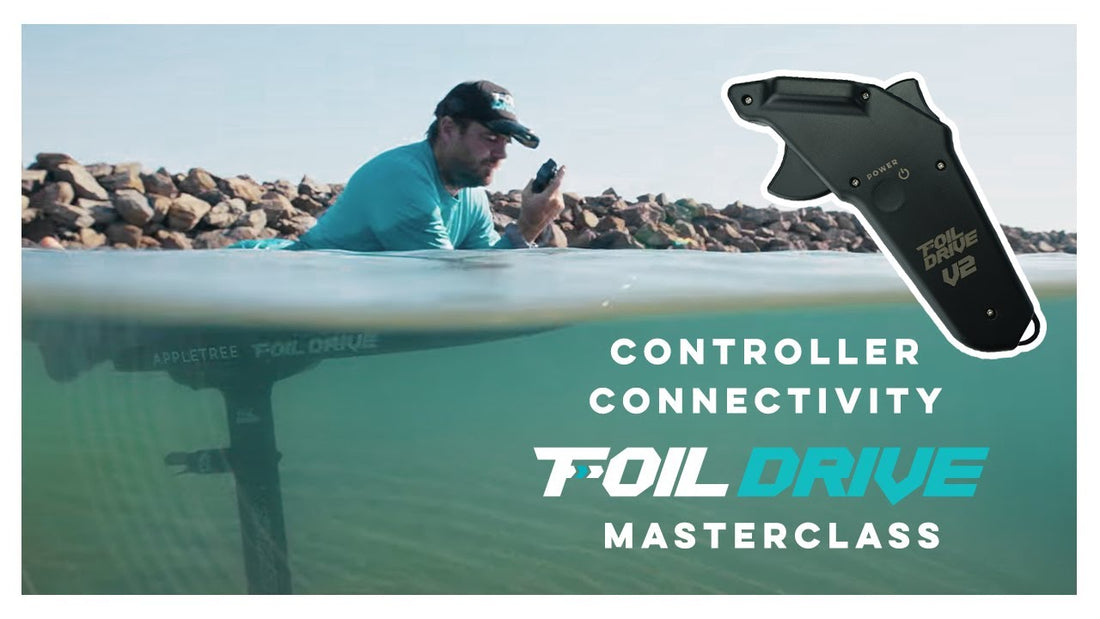
  The majority of "Connectivity Issues" can be improved by simply understanding how the controller and the electronics talk to each other. Paul takes you through different board constructions and volumes, and different techniques you can try to improve your connectivity. We recommend watching this Masterclass to get the most out of it! Scroll to the bottom to watch. The Importance of Board Selection In this Masterclass, Paul demonstrates take-off with a variety of boards, each with its own pros and cons. Choosing the right board is crucial as it directly affects the signal reception of your controller. Here’s a quick rundown of the boards we’ll be discussing: Foil Drive Inspired Axis: This board was designed to have excellent signal despite being full carbon, and has long plastic tracks. It's 60L,  5'4" x 19.5". Starboard Blue Carbon Series: A bit more challenging with signal but fantastic when used correctly. It's 5'2 x 50 litres. Unifoil Quiver Killer: Known for its versatility, this board is 5'2" x 19" and 45 litres, also carbon fibre with plastic tracks. Appletree: A smaller full carbon board at 4'6 and 35 litres, which can sink under body weight if not handled properly. Takuma Rising Sun: This 4'2 x 18.5" 30-litre board has full carbon tracks, making it previously challenging for signal but now usable with the Foil Drive external patch antenna. Understanding Board and Controller Interaction Not all carbon boards are created equal. The differences in carbon usage, box materials, and track materials can significantly affect signal reception. For instance, a carbon board with plastic tracks behaves differently from one with carbon tracks. Understanding these nuances helps in optimizing your setup for better performance. Practical Tips for Controller Use Controller Placement and Signal Maintenance When using a full carbon board like the Appletree, you need to pay attention to controller placement. Keep the Controller Close: Place the controller on the surface of the board to maintain a strong signal. This works both above and below the water. Avoid Mashing the Throttle: The controller needs to see the signal for at least one second to link. If you lose the link, stop, wait for a second, then pull the throttle again. Signal in Water: If the board is submerged, it’s crucial to bring the nose out of the water to regain the link. Paddle quickly to maintain the signal. Getting Up on Foil Body Position: Keep your body over the nose of the board to maintain it flat. This helps the wing build speed and generate lift. Throttle Management: Don’t go full throttle immediately. Gradually increase the throttle as you build speed. Engage the boost only once you're moving to avoid too much lift. Paddling Technique: Use a double overhand paddle to get a smaller board up on the plane. Ensure the board’s nose is out of the water before transitioning to paddling. Troubleshooting Common Issues Signal Loss: If you lose signal, it’s often because the controller is too far from the board. Press the controller against the surface of the board to re-establish the connection. Board Submersion: Fully submerged boards will lose the signal. Always try to get part of the board out of the water before throttling up. Throttle Control: Avoid keeping the throttle pressed when out of the water. Release it, wait for a second, then engage it again to prevent sudden take-offs. Advanced Tips Boost Engagement: Only engage the boost once you have sufficient speed to avoid abrupt lifts. Transitioning: When transitioning from speed to foil, subtle movements are key. Don’t make aggressive manoeuvres.  Conclusion Understanding and optimising the connection between your controller and board can significantly enhance your Foil Drive experience. By paying attention to the details of your equipment and practicing the techniques discussed, you can achieve smoother and more efficient rides. Happy foiling! If you want to learn more about Foil Drive, visit our help centre. Watch the full Masterclass

Low Volume Prone Board Takeoff Foil Assist Technique
Guides
August 7, 2024 Marketing Foil Drive

Low Volume Prone Board Takeoff Foil Assist Technique

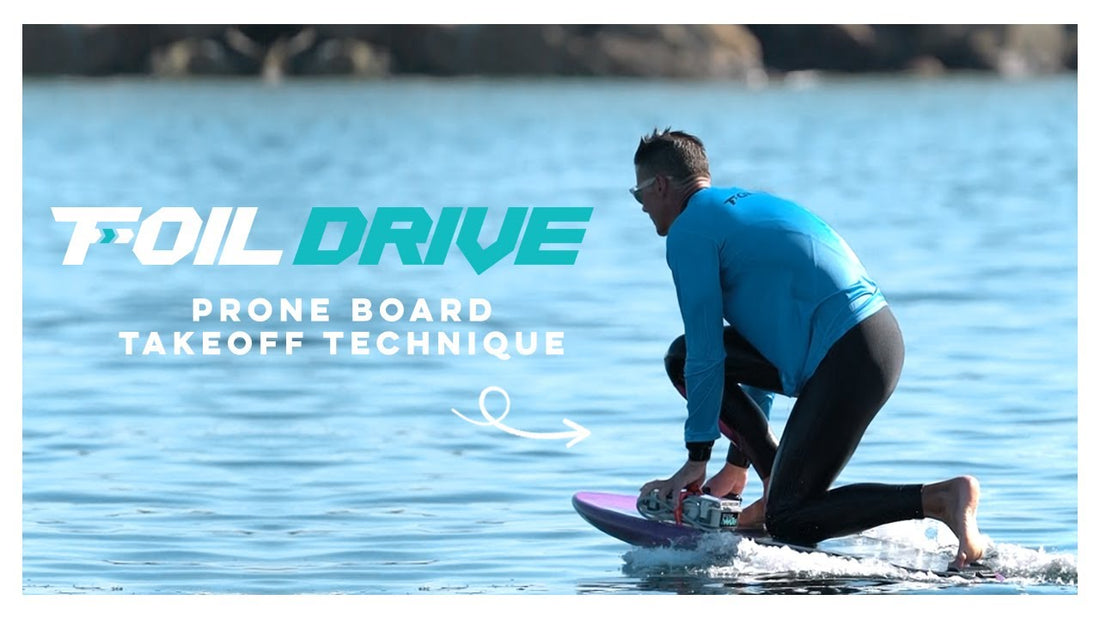
The size and volume of your board and foil significantly impact your ability to get on foil with your Foil Drive system, however, it is possible - with the right gear! Watch this Masterclass video as Dom teaches you techniques to assist with getting to your feet on a low volume board, as well as things to avoid! 

How to Overcome the 'Bucking Bronco'
Guides
August 7, 2024 Marketing Foil Drive

How to Overcome the 'Bucking Bronco'

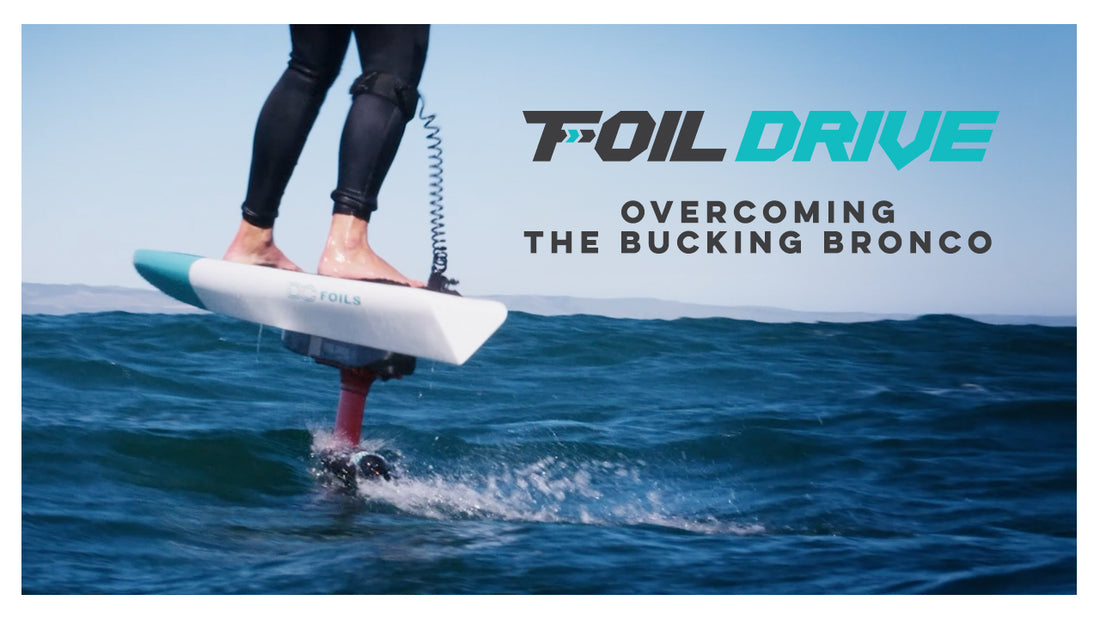
Riding the Gen2 Foil Drive can be an exhilarating experience, but for beginners, it's not uncommon to encounter the challenge known as the 'Bucking Bronco.' In this blog post, we'll delve into the art of avoiding the 'Bucking Bronco' and share tips on how to achieve a smooth and enjoyable ride.

Transitioning from Motor to Free-Foil
Guides
August 7, 2024 Marketing Foil Drive

Transitioning from Motor to Free-Foil

  Transitioning from motoring to gliding with Foil Drive on your foil board can be tricky, but with the right approach, it can be smooth and effortless. Here are some essential tips to help you perfect this transition and enhance your overall riding experience. Less is More One common mistake riders make is trying to do too much too fast. They often force the board up, which is unnecessary. Instead, you should focus on doing less. Build up your speed and lead in to a small pop-up. That's all it takes! Avoid an aggressive kick or pushing the board hard. With enough velocity and lift, simply get on one of the small bumps in the water, pop up then pop down. Don't Force It When you attempt a big kick or an aggressive manoeuvre, you risk unsettling the wing, the board, and yourself. This can lead to instability and a less enjoyable ride. It's all about maintaining control through subtle movements rather than forceful actions. Pre-Spooling Your Propeller When you’re in powered flight and your motor is out of the water, you have two main options: pre-engage the propeller out of the water and then drop it in, or start it in the water. Avoid starting the propeller when it's halfway in and halfway out of the water, as this can cause vibration issues. Here's how to do it right: Pre-spooling: As you're gliding, pre-spool your propeller and then drop the motor back in. This technique helps you transition back into forward momentum smoothly, maintaining your speed. Starting in the water: This approach tends to slow you down more as you hit the water hard and need to build up speed again. While it’s a viable option, it requires more effort to regain momentum. Handling Stalls If you find yourself slowing down to the point of stalling, it’s better to give up gracefully than to try overpowering the stall. Avoid slamming the throttle in an attempt to force your way out, as this can pinch the board and make recovery more difficult. It can also be dangerous, potentially causing you to fall onto the board. Instead, simply jump off and restart. This approach is safer and more effective. Conclusion Mastering the transition from motoring to gliding is all about subtlety and control. By doing less, pre-spooling your propeller, and knowing when to give up gracefully, you can ensure a smoother, safer, and more enjoyable Foildriving experience. Happy riding! If you want to learn more about Foil Drive, visit our help centre. Watch the Full Masterclass  

Foil Assist Surfing Tips
Guides
June 21, 2024 Marketing Foil Drive

Foil Assist Surfing Tips

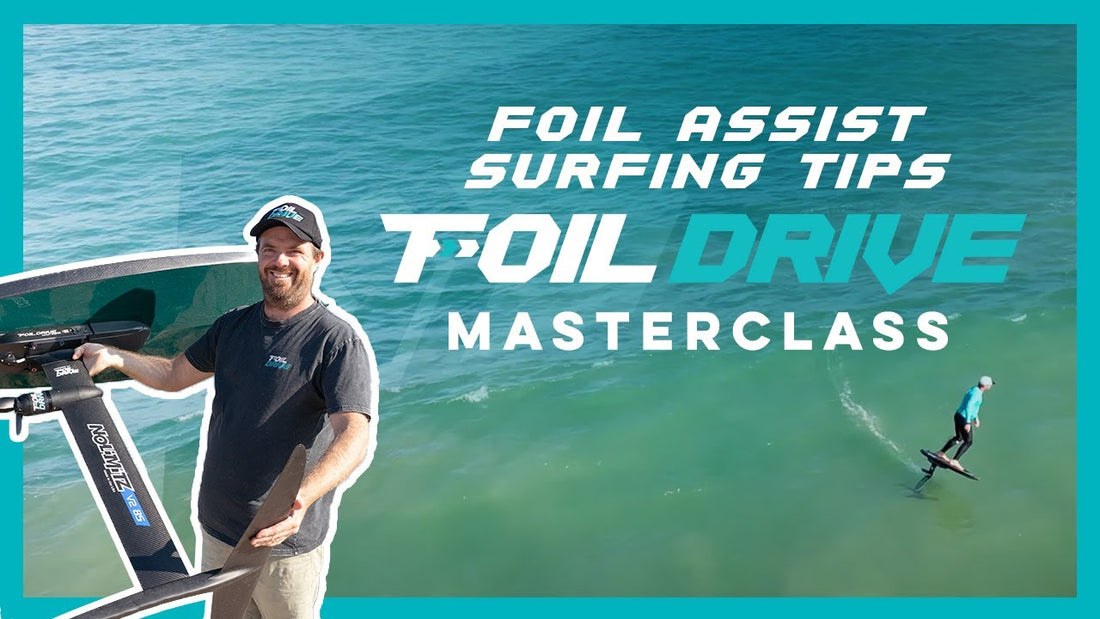
  Foil surfing is an amazing sport that combines the thrill of surfing with the unique sensation of flying above the water. This masterclass provides essential tips and techniques to help you master foil surfing and Foil Drive, from preparing your gear to advanced manoeuvres.We recommend watching this Masterclass to get the most out of it! Scroll to the bottom to watch Preparing Your Gear Having the right equipment is crucial for a successful foil surfing experience. Here’s what you need to check before heading out: Board and Foil Selection We all want to rider smaller foils and smaller boards. We recommend going a foil size larger than you'd expect to give yourself the best change and progressing faster and nailing these techniques.  Foil Drive Gen2 If you're learning, a larger battery selection will help, if not, a backup on the beach! Pre-session Check: Ensure all bolts are tightened, tracks have foam in them, Foil Drive propeller bolts are secure, battery grease is applied, and the nose cone is latched properly.  Properly preparing your gear ensures a smooth and enjoyable session on the water. Getting Out to the Waves Navigating out to the surf can be challenging. Here’s how to do it effectively: Carry the Board: Hold the fuselage and one wing tip for better control. Angle the Board: Keep the board at a slight angle to help it pop over incoming waves. Throttle Activation: The controller MUST be OFF when getting in and out of the water. Do not turn the controller on until you are in deep water and are on the board.  Location Make sure you are NOT entering a busy line-up, with Foil Drive, you simply don't need to be near a line-up at all. Find somewhere isolated, away from the crowd.  These steps will help you reach the waves efficiently and safely. Taking Off Achieving a successful takeoff is essential for a good ride. Use the "J Turn" technique - Displayed in the video: Mimic Wave Catching: Pretend to catch a wave and then turn off at the last second in the shape of  a J  Wave Rush: Allow the wave to rush over your wing, providing extra lift. Propeller Re-Entry: When you need to engage the motor again, either start the motor spinning before re-entry, or wait until the propellers are fully submerged. Engaging with the propellers half in and half out can cause unbalanced strain on your bolts as the propellers open/close. This manoeuvre is particularly useful for heavier riders or those using smaller wings, helping you get on plane quickly. Riding the Waves To ride the waves effectively: Choose Smooth Sections: Avoid breaking waves, which can be too aggressive. Throttle Control: Engage the motor slightly before peeling off the wave for a smooth transition. Steady Throttle: Maintain the throttle at about 60-65% for a controlled and enjoyable ride. Focusing on these aspects ensures a smoother and more enjoyable foil surfing experience. Manoeuvring and Control Mastering foil surfing requires smooth and subtle movements: Avoid Aggressive Turns: They can disrupt balance and control. Gradual Speed Increase: Build speed gradually to maintain a steady ride. Absorb Wave Energy: Use your knees to stay balanced and prevent the board from aerating too much. These techniques help in maintaining control and stability. Safety and Courtesy Being mindful of others and ensuring safety is paramount: Avoid unnecessary Propeller Noise: Keep the propeller submerged to avoid noise and ensure safety. try not to motor along the surface with the propeller exiting and entering the water all the time. Gradual Peel Off: When peeling off from a wave, do it gradually to prevent aggressive impacts. Respecting these guidelines ensures a safer environment for everyone in the water. Advanced Techniques For those looking to advance their skills, here are some tips: Prone Takeoffs: Paddle with the controller in your hand, lean into the board, and apply full power before paddling. Throttle Adjustment: If predominantly prone surfing, reduce throttle to avoid overpowering the board. These advanced techniques help in refining your skills and improving overall performance. Final Tips Here are some final tips to keep in mind: Avoid Low Riding: Prevent dragging the pod by not riding too low. Be confident in your mast height and pop up that little bit higher! Maintain Throttle: Keep a slight throttle during turns to retain speed and control. Foil surfing is all about enjoying the ride and having fun.Take your time to feel your limits and ease into the sport. Every session is an opportunity to learn and improve. Stay safe, respect the ocean, and have a blast out there! Happy foiling! Watch the full Masterclass  

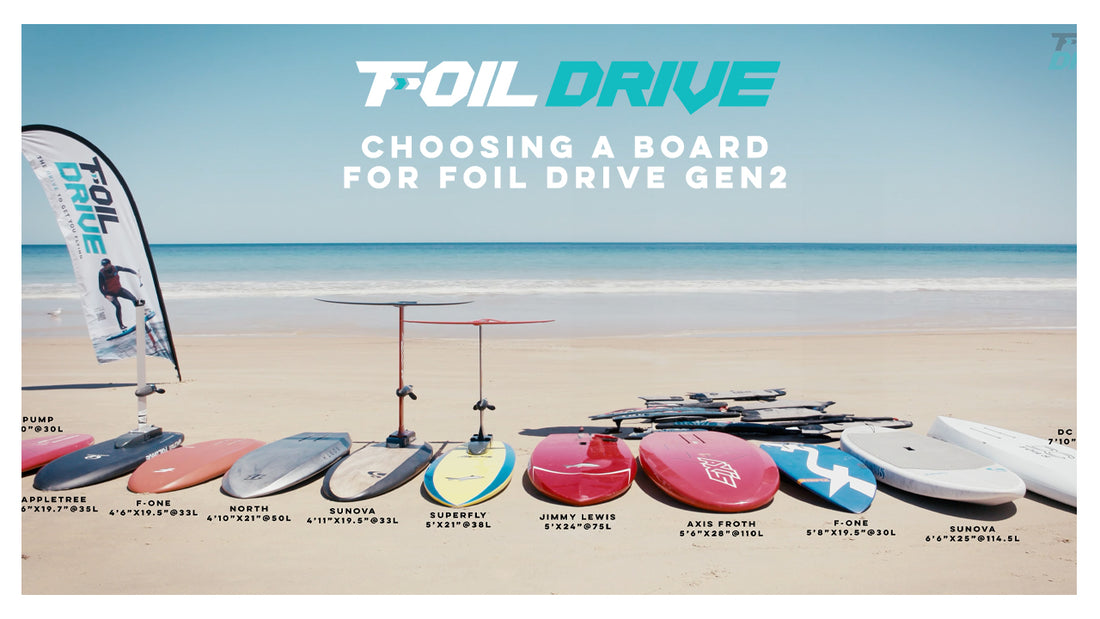
Choosing a Board for your Gen2 Foil Drive Set Up
Guides
December 7, 2023 Marketing Foil Drive

Choosing a Board for your Gen2 Foil Drive Set Up

Paul and Jamie are stoked to share their wealth of knowledge on choosing the perfect board for your Gen2 Foil Drive setup. After two and a half years and thousands of boards sent worldwide, they've learned a thing or two about what works best. So, sit back and have a read through the intricacies of selecting the ideal board for your foiling adventures.